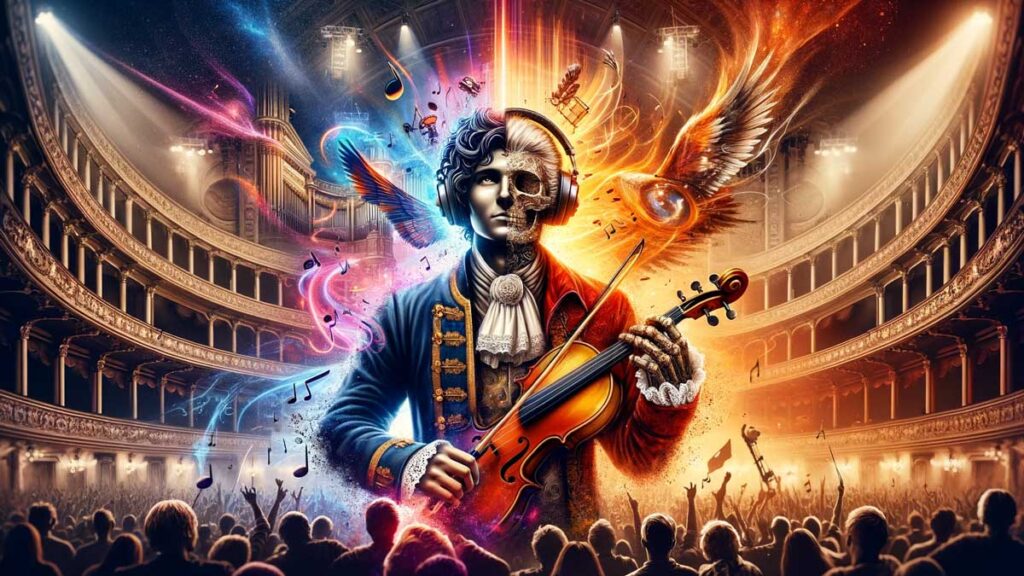

The language of music extends far beyond sound; it resonates in gestures, fashions, and expressions captured on camera. Throughout history, certain images have transcended mere documentation to become cultural touchstones, immortalizing the artistry, emotion, and context of their subjects. This blog post explores the enduring impact of iconic music photos and why these music artist photos offer a unique and evocative window into the world of artists, audiences, and eras alike.
The Enduring Power of Iconic Music Photos
A photograph can crystallize a fleeting moment, allowing it to echo through generations. With music, these moments are often supercharged with emotion, ambition, and cultural influence. Iconic music photos do more than merely capture appearances; they encapsulate the atmosphere of an age, the energy of a performance, and the innermost character of an artist.
The enduring appeal of these photographs lies in their ability to connect diverse audiences with moments they may never have experienced firsthand. Whether it be a candid backstage portrait or a dynamic stage shot, these images allow viewers to step into the artists’ world, even decades later.
Why Visual Stories Matter in Music
Visual Artistry Meets Musical Genius
Music, as an auditory art, is often abstract and intangible. However, music artist photos provide concrete references, offering fans and scholars a visual anchor amid melodic abstraction. These photographs can reflect the creative intensity, charisma, and vulnerability of artists, adding new dimensions to the listener’s connection with the music.
Defining Cultural Identity
Many iconic music photos have become visual shorthand for entire genres, decades, or social movements. Distinctive styles, gestures, and settings immortalized on film serve as potent cultural markers. A single image can evoke collective memories and signal shifts in attitudes, values, or aesthetics within broader society.
Emotional Resonance and Empathy
Photography can humanize legends and demystify stardom. A well-composed music artist photo reveals authenticity, joy, tension, or solitude, fostering empathy between the subject and viewer. For fans, these moments provide a sense of closeness to their musical heroes, while for future generations, they offer gateways to understanding personalities and legacies.
The Anatomy of Iconic Music Photos
Composition and Lighting
Technical mastery plays a crucial role in elevating a music photo from the ordinary to the iconic. Photographers employ nuanced lighting and thoughtful composition to highlight dramatic expressions, costumes, and instruments. The result is an image that does not merely record a scene but creates a standalone work of art.
Context and Timing
Context is essential. An offstage image can reveal vulnerability, while a perfectly timed live shot captures energy and motion otherwise lost in memory. These nuances enable a photograph to tell a multilayered story about the artist’s life and creative context.
Symbolism and Storytelling
Exceptional music artist photos often incorporate subtle symbolism, intentional or otherwise. Props, backdrops, and body language speak volumes, layering meaning and inviting viewers to imagine the untold stories surrounding each frame.
The Influence of Iconic Photos on Music Culture
Shaping Public Perception
A single image can alter the trajectory of an artist’s career by framing public perception. Carefully crafted or spontaneously captured photos often define brand identity, providing a visual representation for albums, concerts, and merchandise. Over time, these images become inseparable from the sound they represent.
Inspiring Generations
Musicians are not the only ones influenced by iconic music photos. Aspiring photographers, designers, and fashionistas look to legendary images for inspiration, perpetuating cycles of creativity across disciplines. These photographs have directly influenced album covers, stage designs, wardrobe choices, and visual storytelling standards within the industry.
Preserving History
Iconic music photos serve as vital historical documents. They bear witness to technological evolutions, industry milestones, and cultural revolutions. Through these images, historians and enthusiasts piece together the rich tapestry of popular music’s past, preserving its legacy for future study and celebration.
The Universal Appeal of Music Artist Photos
Crossing Language and Cultural Barriers
The visual dimension of music transcends language and geography. Iconic music photos are celebrated worldwide, finding admirers in communities far removed from the original context. Photographs communicate a universal language, uniting diverse audiences through shared appreciation for artistry and expression.
A Collector’s Treasure
Music artist photos hold a special place in the world of memorabilia, commanding attention in museums, galleries, and private collections. Collectors recognize that these images are not just static artifacts but living records that continue to inspire and provoke conversation.
Practical Tips for Appreciating and Curating Music Photos
- Study composition: Pay attention to framing, lighting, and angles to understand why certain images stand out.
- Explore emotion: Look beyond the surface to detect the emotions conveyed through facial expressions and poses.
- Consider the context: Research the time, place, and circumstances of the photo for deeper appreciation.
- Preserve and share: If you collect music artist photos, store and display them responsibly to maintain their legacy and share them with new audiences.
Moving Forward with Visual Storytelling in Music
The profound impact of iconic music photos on our collective memory affirms the invaluable role of visual storytelling in music culture. These images serve as bridges between generations, genres, and communities, honoring the achievements of artists while inspiring curiosity and creativity in those who encounter them.
As you engage with your favorite music, take a moment to reflect on the power a single photograph holds to immortalize passion, artistry, and the spirit of its time. Seek out these timeless visuals, support the photographers who capture them, and contribute to sustaining the visual history of music for years to come.